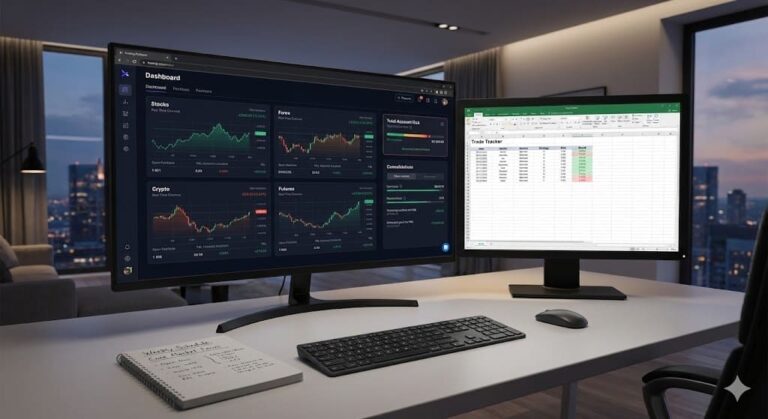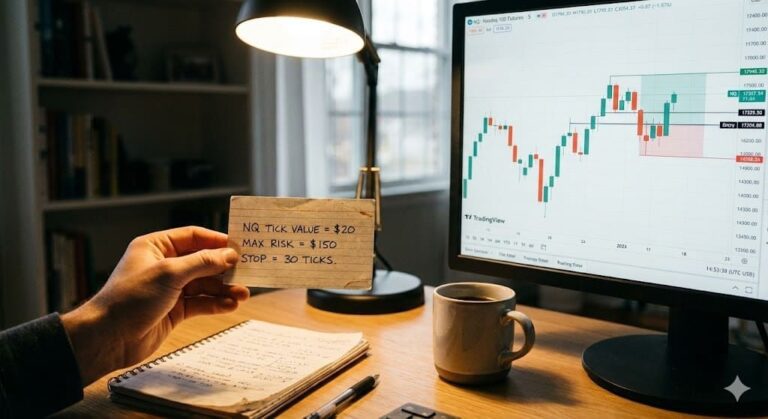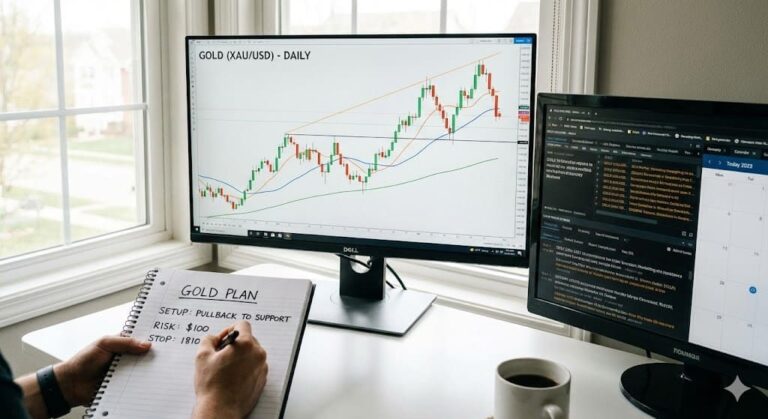

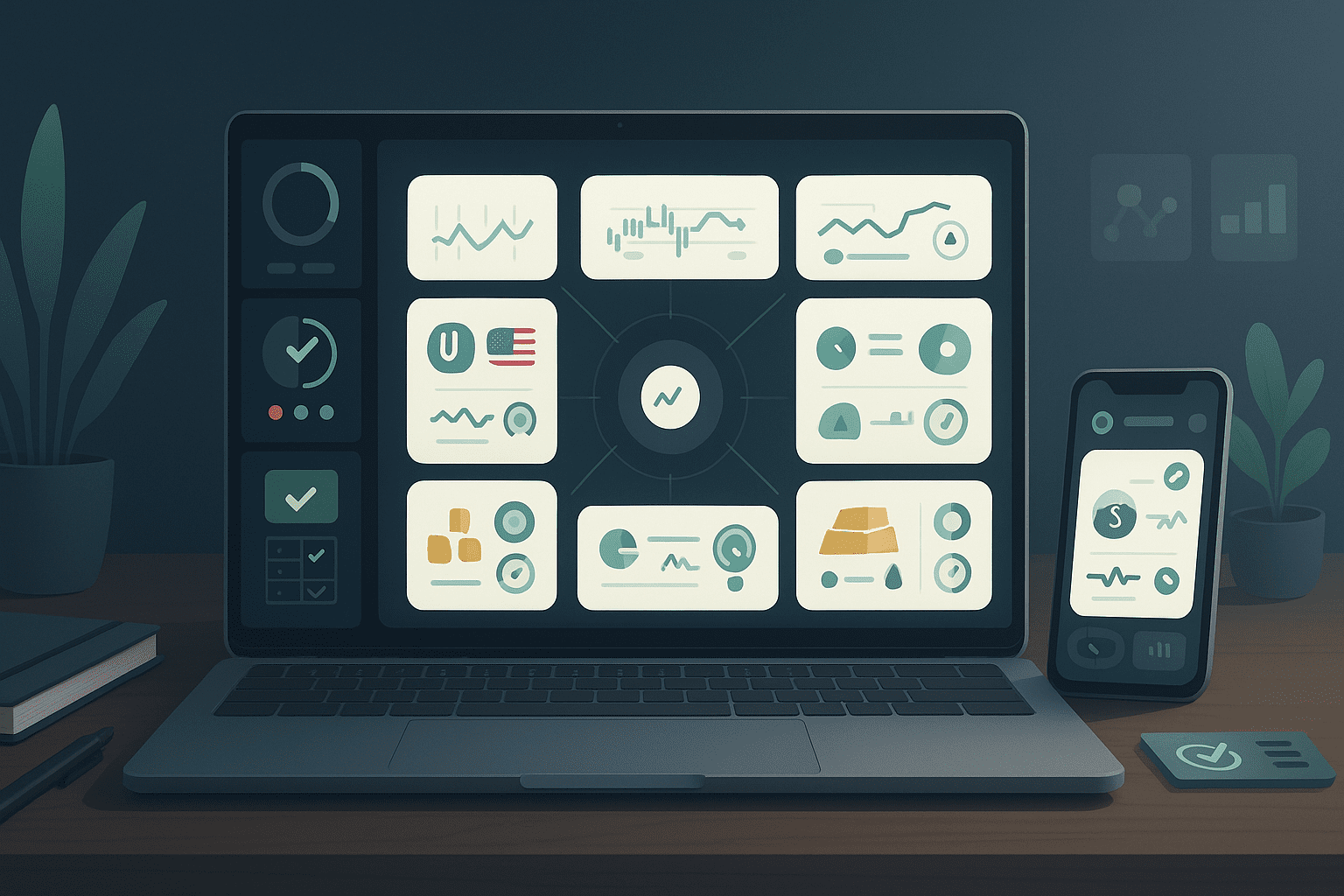
You open your platform, check a currency pair, peek at a stock, then wonder if gold or a crypto hedge belongs in the mix. The idea is simple, right? Use one login, keep things tidy, and trade all asset classes in one account so you can focus on decisions, not admin.
This piece breaks down what that approach can do for you, where people trip up, and what to look for if you want a setup that grows with your skills.
“Diversification aims to reduce unsystematic risk, it does not erase market risk.”
Why one account for many markets changes the game
Trading through a single multi market account can cut friction. You can move from stocks to forex to commodities without juggling multiple dashboards, statements, or transfer delays. That matters when the market is moving and your attention is the scarce resource.
- Less context switching means clearer decisions
- A unified balance lets profit from one market fund an idea in another
- Reporting and taxes are simpler when everything lives in one place
“Global FX turnover averaged about 7.5 trillion dollars per day in April 2022.”
The mix that actually teaches you something
A diversified book is not a bag of random tickers. It is a set of positions that behave differently under stress. If tech stocks are down, maybe gold is flat and the dollar is stronger. That blend keeps you in the game long enough to learn.
“Spreading money across uncorrelated holdings helps offset losses and can stabilize a portfolio over time.”
Snapshot of major asset classes
| Asset class | What moves it | Typical rhythm | Starter role | Common pitfall |
| Stocks | Earnings, rates, sentiment | Earnings seasons and macro data weeks | Growth engine for long horizons | Chasing hype after big runs |
| Forex | Rates, inflation, geopolitical risk | 24 hours on weekdays, sessions overlap | Liquidity for frequent setups | Overusing leverage |
| Indices | Broad market health | Follows component earnings and news | Simple market view in one position | Ignoring sector concentration |
| Commodities | Supply shocks, weather, geopolitics | Event driven, seasonal | Hedge against specific risks | Forgetting roll and storage effects |
| Crypto | Adoption, liquidity, regulatory news | Weekend action included | Speculative satellite position | Position sizing too large |
| Bonds | Rates, credit, growth | Monthly data calendar | Stabilizer during equity selloffs | Duration risk when rates rise |
If you are asking which market to trade for beginners, start with context
Begin where feedback is fast and risk is legible. Many new traders pair a broad equity index with one liquid forex pair, then add a small commodity position for contrast.
A simple beginner friendly path
- One core index position for direction
- One liquid FX pair, such as EUR USD, for frequent but sized trades
- One defensive sleeve, for example gold or short duration bonds
Keep sizing small and time your reviews, not every hour, but on a rhythm you can sustain.
Building toward a real multi asset routine
Education matters, but application sticks. Rotate through a weekly loop where you plan, place, and reflect.
A weekly rhythm that fits real life
- One planning session to set levels and review macro events
- Short, focused windows to execute
- One journal check in to capture what worked and what did not
Mini case study
A part time trader allocates 70 percent to a broad index, 20 percent to a single FX pair, and 10 percent to gold. During an equity dip, the currency hedge cushions the drawdown while gold holds flat. The account stays within risk limits, so the trader avoids panic selling and learns from the tape rather than from a blown balance.
Traits of the best broker for diversified trading portfolio
Your platform should make multi asset trading easier, not louder. Look for traits that support a calm process.
- True multi asset access under one client profile
- Transparent fees across markets, including financing costs
- Fast, consistent execution in busy periods
- Clear margin rules and risk tools such as alerts and guaranteed exits where available
- Reliable data and an audit trail that makes journaling painless
“Strategic asset allocation and periodic rebalancing support long term risk control, there is no guarantee of specific returns.”
Quick comparison: platform features that matter
| Capability | Why it helps a multi market approach | What good looks like |
| Unified wallet | Reduces transfer friction between markets | One balance funds stocks, FX, and commodities |
| Order controls | Precise entries, exits, and risk caps | OCO, partial close, and alerts |
| Reporting | Faster debriefs, cleaner taxes | Position level P L with timestamps and notes |
| Education | Bridges theory to action | On platform explainers tied to real instruments |
| Rebalancing tools | Keeps risk in line with your intent | Target weights with simple nudges to refill |
Common mistakes to skip
- Treating every asset class like a meme stock
- Sizing a crypto position like a blue chip equity
- Trading illiquid crosses when majors would do
- Changing your plan every headline
- Ignoring fees that add up quietly
Putting it together, without the guesswork
You do not need to be perfect, you just need to be consistent. Start with a lean mix, ask whether each position does a different job, and use scheduled reviews to keep risk honest. If this resonates, shortlist two platforms that let you trade all asset classes in one account, open a demo on each, and test one simple allocation for two weeks so your choice of the best broker for a diversified trading portfolio is based on experience rather than marketing.
FAQ
Can I use one account for everything even as a beginner
Yes, as long as the platform truly supports the assets you want and you keep position sizes modest. Simplicity beats novelty early on.
Do I need to rebalance if I only place a few trades per month
Yes, periodic rebalancing keeps your intended risk intact when one sleeve runs ahead of the others. A calendar reminder works fine.
Is forex too risky compared with stocks
Forex offers high liquidity and frequent setups, but leverage is the key risk. Control size first, then strategy. A small position can teach a lot.
How do I choose which market to trade for beginners
Pick one broad index and one liquid currency pair so you can learn patterns without noise. Add a small diversifier only after your routine feels steady.
Does diversification guarantee smoother returns
No guarantee. It aims to reduce idiosyncratic shocks while leaving market wide risk in place. That is still a win for most people who want staying power.
Any red flags when evaluating a platform
Hidden fees, limited instruments under separate sub accounts, slow support during busy news weeks, and vague margin policies are all signals to pause.