


Trading used to be a lonely journey. It took hours of research, many chart analyses, and hard choices. These decisions often felt like jumping into the unknown. Today, that situation has changed a lot.
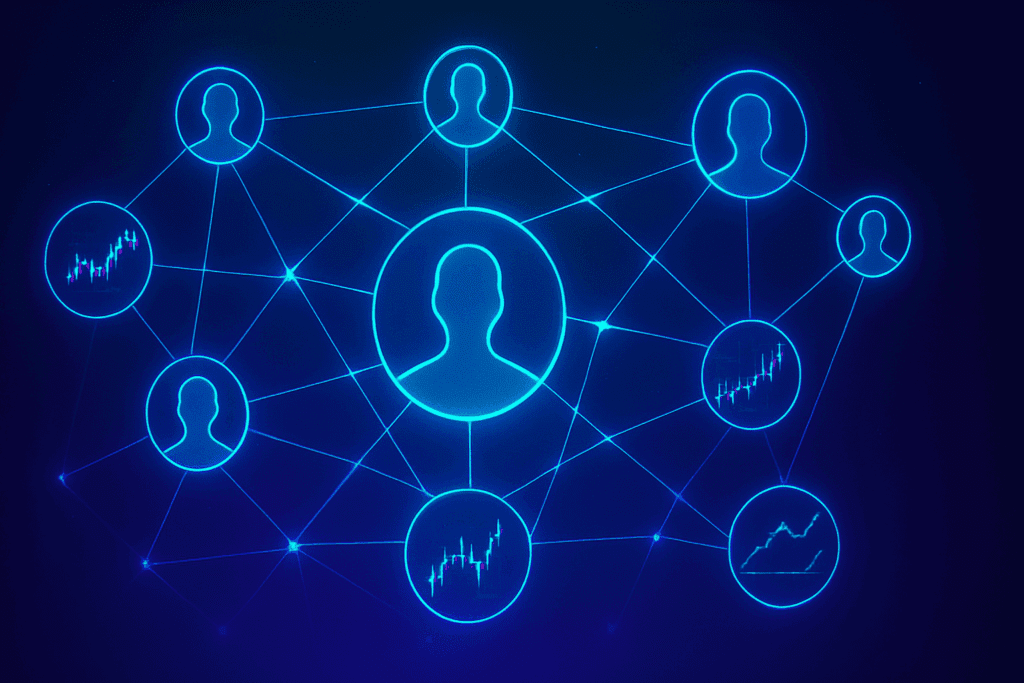
Modern traders are not isolated. They’re connected through vibrant spaces where strategies, market signals, and insights are openly shared. This is the role of a stock trading community: a collective that turns individual effort into group intelligence.
The Role of a Stock Trading Community
A stock trading community is more than a chatroom for market fans. It is a place where people share ideas and strategies every day. Members often include retail investors, experienced traders, and sometimes even professionals with years of market knowledge.
The main benefits include:
- Shared market signals: Many communities have a stock signals and trading room. Here, members share entries, exits, and market alerts.
- Faster learning: New traders speed up their growth by learning from real decision-making examples, not just theory.
- Less isolation: Trading can be lonely. Communities offer support and motivation.
- Different viewpoints: Instead of using just one analysis, you receive many opinions on the same stock or index.
One trader wisely said, “The community effect isn’t about copying trades – it’s about improving your own thinking.”
Key Features You’ll Find Inside
Not every stock trading community looks the same. Some are casual forums, while others are structured platforms with clear tools. The most impactful ones typically provide a mix of the following:
Real-Time Signals and Alerts
Members can get notifications about trending stocks, technical setups, or breaking market news. These alerts serve as “heads-ups” instead of strict instructions. This gives traders a chance to check and adjust them.
Dedicated Trading Rooms
Within a stock signals and trading room, traders can watch ideas unfold live. Whether it’s someone posting a chart pattern or discussing volume spikes, this is where the conversation becomes actionable.
Community-Driven Trading Insights
Unlike static courses or blogs, these communities thrive on community-driven trading insights. Each member contributes their perspective, which builds a living stream of strategies.
Resource Libraries
Some communities provide archives of webinars, recorded sessions, and educational PDFs to deepen members’ knowledge.
| Feature | Why It Matters |
| Stock signals & trading room | Provides immediate market context and practical setups |
| Community-driven insights | Brings diversity of opinion, helping avoid tunnel vision |
| Educational resources | Allows traders to move from simply following to understanding strategies |
| Peer accountability | Keeps members engaged and consistent in their approach |
Learning Through Shared Experience
One of the strongest elements of a stock trading community is the collective learning curve. Mistakes, lessons, and breakthroughs are not experienced alone.
For example, a beginner might post their first attempt at a chart analysis. Instead of silence, they receive constructive feedback from traders who’ve already walked that path. On the other side, experienced traders get the satisfaction of mentoring while staying sharp by explaining their reasoning.
This dynamic creates a cycle where everyone benefits. As the saying goes, “Teaching someone else a concept is one of the fastest ways to master it yourself.”
Building Confidence in Volatile Markets
Markets are inherently uncertain. Even with years of experience, sudden changes can shake even the most disciplined trader. In those times, community helps provide stability.
Watching how others react to fast changes is helpful. Some cut losses quickly, while others hold firm or hedge. This gives us a good reference. It doesn’t remove risk, but it helps reduce panic.
Studies on trading psychology show that traders with peer support often avoid common mistakes caused by fear and greed.
Choosing the Right Community
Not all communities are equal. Some are built around quality education and transparency, while others might lean toward hype. To get real value, consider:
- Quality of signals: Are they based on analysis, or just random stock picks?
- Member interaction: A good community fosters respectful conversation, not just noise.
- Track record: Does the group maintain a history of calls and discussions for accountability?
- Balance of experience: A mix of beginners and advanced traders usually creates healthier dynamics.
Case Example: The Power of Peer Signals
Let’s picture a trading session where several members see unusual volume on a mid-cap stock. One person shares a chart that shows resistance levels. Another mentions insider trading activity from filings. A third member runs technical indicators that suggest a possible breakout.
On their own, each piece of information may be overlooked. Together, they create a strong reason for action or further investigation.
This is the heart of community-driven trading insights: many views improve the overall picture.
Why Communities Matter in the Long Term
It’s easy to believe that once you “know enough,” you don’t need a trading community. But the truth is different. Markets change, new tools come out, and trends shift.
Staying in touch with your peers helps you keep up. More importantly, talking with others shows that decision-making is a skill to practice, not perfect.
Moving Forward with Confidence
Being part of a stock trading community does not replace personal research, but it makes it better. Signals, shared strategies, and peer support work together. This creates a place where traders learn fast and act with confidence.
If you have been trading alone, it may be time to connect with others who share your passion. The insights you gain can improve your strategies and change how you experience the markets every day.
Frequently Asked Questions
Is joining a stock trading community expensive?
Not always. Some are free forums, while others charge for access to premium tools or signals.
Do stock signals guarantee profits?
No. Signals give guidance, but traders need to check them with their own analysis.
Are communities only for beginners?
Not at all. Experienced traders also gain from sharing strategies and staying sharp.
What’s the biggest risk of joining?
Following others blindly. The real value comes from discussion, not copying trades.
Can communities replace professional financial advice?
They can complement it, but not replace licensed advisory services.