

The market opens, prices flicker, chat scrolls. The goal is not louder alerts. The goal is a rhythm that turns your social trading network into cleaner plans, tighter risk, and fewer second guesses.
“A message becomes a plan only when it names the level, the stop, and the risk.”
What a healthy network actually delivers
| Pillar | What you should see | Why it matters |
| Session framing | Pre market levels, catalysts, simple scenarios | You start from a map, not a mood |
| One line trade plans | Entry, stop, first target in one sentence | Decisions become testable, not vibes |
| Receipts after action | Time stamps, fills, slippage notes | Learning survives the close |
| Culture of restraint | Passing is normal when structure is messy | Lower churn, steadier equity curves |
“Process beats prediction when volatility shows up.”
Connecting people to tools without the mess
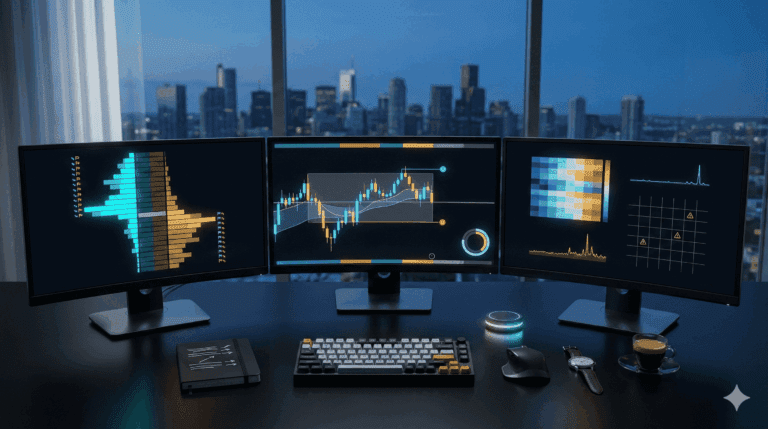
A network is strongest when conversations feed a tidy Trading Workstation and an Advanced trading platform that can execute fast, log clearly, and keep risk visible.
The desk that respects attention
- Decision pane with prior high and low, opening range, and a simple midline like VWAP
- Context pane with sector map, calendar, and the curated community thread
- Ticket pane with bracket templates and fixed cash risk per trade
- Journal pane that auto adds screenshots and slippage so outcomes are reviewable
The platform that keeps pace
| Capability | Keep when you see |
| One click brackets and OCO exits | Risk attaches to every order automatically |
| Venue and timestamp on fills | Slippage by symbol and hour exports cleanly |
| Role aware permissions | Hosts can post alerts, others reply with plans only |
| API or webhook hooks | Network can tag tickets and archive receipts without copy paste |
Roles that make a room useful
| Role | Job in the session | Signal it works |
| Scout | Posts levels with annotated charts before price arrives | Fewer, clearer ideas on the feed |
| Newswatch | Flags scheduled data and unusual moves | Spreads surprise you less |
| Skeptic | Tries to break the thesis before entry | Bad trades die early |
| Librarian | Curates replays and playbooks | New members ramp in days, not months |
“Debate hard before the trade, stay quiet during the trade, learn loudly after.”
Signal hygiene for active sessions
The phrase alerts gets abused. Treat “real time” with standards.
- Alerts always include the level to act, the invalidation, and the first target
- Holding time and frequency live next to each strategy profile
- Drawdown sits beside returns so heat is never hidden
Quick signal checklist
| Item | Pass fail |
| Entry, stop, target appear in one line | ☐ |
| Chart link time stamped to the bar that triggered it | ☐ |
| Post trade recap includes slippage vs quote | ☐ |
Using an Advanced trading platform with a community pulse
- Route entries from the plan template, not the chat window
- Keep two workspaces, Open for pace and Midday for patience
- Sync watchlists so the same symbols appear in chat, charts, and tickets
- Turn on pre trade checks for credit, leverage, and product permissions
Weekly rhythm that compounds faster than new indicators
| Window | Focus | Output |
| Weekend review | Themes, levels, upcoming catalysts | Short list for the week |
| Monday open | Liquidity read, leadership vs laggards | Keep or cut candidates |
| Midweek | Earnings and policy updates | Adjust alerts and sizes |
| Friday wrap | Three screenshots that taught you something | Playbook change in one sentence |
“If your notebook gets calmer, your results usually follow.”
Costs and frictions you will actually feel
- Spread and slippage near data, solved by smaller size and retests
- Attention tax from overactive channels, solved by muting everything that lacks a plan format
- Financing or borrow rules for holds, solved by placing the rule on the ticket before entry
A two week experiment you can run now
- Curate the feed to three voices that post plans, not opinions.
- Build one button in your workstation that drops a ready to edit plan into chat.
- Trade one setup per day at tiny size, log spread and slippage, and mark any rule break.
- Keep only the habits the log approves.
FAQ
Does a network replace a personal plan
No. A good network compresses research and surfaces context, your plan controls entries, size, and exits.
How many rooms should I follow at once
Usually one. Two at most with different time windows. More channels add noise and dilute focus.
Can beginners join without getting lost
Yes, if the network has a pinned starter pack, a plan format everyone uses, and leaders who show losses beside wins.
What is the fastest upgrade for most desks
Bracket templates and a one line plan macro. Risk attaches to clicks, and reviews become evidence, not memory.