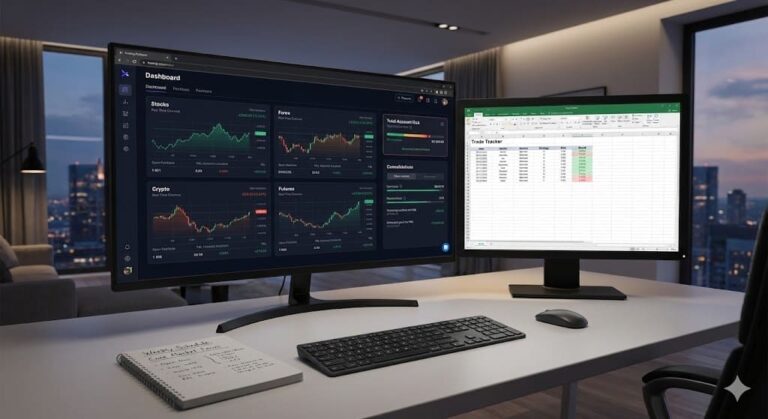


A solid multi account trading platform should feel like one calm room. Managers set rules once, followers stay protected, and statements match what everyone expects. Whether you run a prop desk, an asset manager, or an IB network, the right structure lets you scale flows without losing control.
This guide explains the moving parts in simple terms. It shows how mam for mt5 brokers can help you manage multiple trading accounts with less stress.
What “good” feels like in a single session
You log in. Allocation rules are visible before the first trade. The ticket shows cash risk as you size. A bracket attaches automatically, and fills arrive with delay and slippage stamped by symbol and session. If a cap or equity stop triggers, subscribers see a short message explaining why. Finance pulls clean statements that match the export line by line. Quiet is the product.
“If a follower can explain the risk in one sentence, the feature is ready.”
The building blocks of a multi account trading platform
Think in layers. Keep custom logic at the edges and leave engines standard so upgrades stay painless.
| Layer | Job to be done | What “good” looks like |
| Master account | Places trades | Ticket shows cash risk, brackets standard |
| Allocation engine | Distributes size | Fixed cash, equity proportional, or percent of master |
| Safety rails | Protect followers | Equity stops, per day caps, symbol filters |
| Brokerage link | Routes orders | Stable MT5 bridge, predictable slippage bands |
| CRM and KYC | Moves accounts | Tiering, permissions, audit trails |
| Reporting | Ends debates | Statements that match CSV or API exports |
| Status and alerts | Tell the truth fast | Short, time stamped notes and reverts |
None of this is flashy. All of it is durable.
Allocation methods in plain English
Managers do best when sizing rules are simple and repeatable. Here are the three you will actually use.
| Method | Idea | Best for | Watch out for |
| Fixed cash | Each follower allocates a cash amount | Beginners and small balances | Underuse if set too low |
| Equity proportional | Size scales with live equity | Larger cohorts | Bigger swings in volatility |
| Percent of master | Follows a slice of master size | Uniform groups | Rebalance when cohorts change a lot |
Pick one method per strategy for a full review cycle so your data stays clean.
MAM for MT5 brokers, decoded
On MT5, a manager account acts as the “master”. The MAM module computes allocations and pushes child orders to each follower account while honoring guardrails.
What you want from MAM for MT5 brokers
- Multiple allocation modes available per strategy
- Equity stop and per day loss cap per follower
- Max open trades and per-symbol position limits
- Symbol filters so thin markets can be excluded
- Delay and slippage metrics by symbol and session
- Fees logic that supports performance, management, and volume plans
- CSV and API exports that match the portal statements
With those basics in place, you can manage multiple trading accounts without a helpdesk fire every week.
Guardrails that protect the month
Short rules invite consistent enforcement.
- Equity stop per follower that pauses copying at a defined drawdown
- Per day cap per follower so no one has a runaway session
- Max open trades and per symbol limits to avoid concentration
- Two attempts per idea for the master, then stand down
- Symbol filters that start with liquid majors, metals, and large indices
Short messages prevent tickets:
“Copy paused. Per day cap reached. Resumes at 00:00 server time.”
Ticket math for managers in cash, not guesswork
Let the platform do arithmetic. You set a dollar risk per trade on the master. Allocation converts it for each follower.
Index example
- Master risk per trade: 400 dollars
- Planned stop: 2.0 index points
- Point value: 10 dollars per point per master lot
- Master size: 400 ÷ (2 × 10) equals 20 master lots
- Follower with 10 percent of master receives 2 lots
- Follower with fixed 50 dollars cash allocation receives proportionate size that equals 50 dollars risk
Gold example where 0.01 equals 1 dollar
- Master risk per trade: 500 dollars
- Stop: 0.50
- Risk per master lot: 50 dollars
- Master size: 10 lots
- Followers receive sizes that equal their chosen cash risk or percent of master
“You cannot control the market. You can always control position size.”
Roles and permissions that keep rooms calm
- Strategy manager places trades and edits allocation modes
- Risk dealer sets caps, collars, and pause rules for strategies
- Compliance maps region permissions and leverages
- Ops runs reconciliation, fees, and reports
- Support posts short, human explanations tied to rule IDs
When everyone touches only their piece, your platform stays predictable.
Onboarding flow that cuts confusion
For managers
- Submit identity and strategy profile
- Choose allocation mode and default risk unit in cash
- Publish trading windows and notes cadence
- Accept delay and slippage bands by session
For followers
- Pick a strategy and set allocation as fixed cash or percent of master
- Toggle equity stop and per day loss cap
- Choose symbol filters and max open trades
- Confirm a short, plain-language summary of your settings
“Friction you can name is friction you can fix.”
Costs that decide more than you think
Treat costs like ingredients. Measure them for a full month.
| Cost line | Who pays | Where it shows | Practical move |
| Spread and commission | Followers | Every fill | Favor liquid windows and avoid chasing breaks |
| Funding or swaps | Followers | Overnight holds | Shorten holds or switch wrapper for carries |
| Performance or management fees | Followers to manager | Monthly or on profit events | Prefer high water mark terms for fairness |
| Slippage | Followers | Opens and macro minutes | Trade retests or reduce size during prints |
Cost clarity turns uncertainty into a choice everyone can live with.
Reporting that ends debates
Auditors love receipts. So do clients.
- Itemized statements with fees, spread, commission, funding, and PnL
- CSV exports and webhooks that reproduce the same totals
- Per-strategy, per-follower breakdowns
- Client state snapshots at decision time for clean disputes
- IB attribution on statements and payout ledgers
If platform and paper match, arguments end quickly.
Use cases that benefit immediately
- Money managers who want clear fees and automatic fairness via high water marks
- Prop firms that need per day caps, symbol filters, and pause rules by cohort
- IB networks seeking simple onboarding, attribution, and monthly payout clarity
- Education-first communities that prefer visible guardrails over big promises
The architecture is the same. The policies and windows change.
Write one page for each strategy. Include trading windows, allocation mode, default cash risk, equity stops, per day caps, and symbol filters. If your MAM shows these rules before a follower clicks subscribe, you are on the right track. Make sure your statements match the export line by line. This way, you can manage multiple trading accounts smoothly.
FAQ
What is the difference between MAM, PAMM, and copy modules
All mirror trades, but the accounting differs. MAM allocates orders to each account. PAMM pools funds then allocates PnL. Copy modules often replicate positions one to one. Pick the model that fits your regulatory and reporting needs.
Does MAM for MT5 brokers support different leverage and margin settings
Yes when implemented properly. Each follower’s account keeps its own leverage, margin, and permissions. The allocation engine sizes trades so follower rules remain intact.
Can followers pause or filter certain symbols
They should. Good platforms let followers apply symbol filters and max open trade limits without breaking the master logic.
How are fees handled fairly
Use performance fees with a high water mark so you only charge for new gains. Management fees, if used, should be crystal clear in statements and exports.
What if delay and slippage hurt results
Measure by symbol and session. Trade retests, reduce size during data minutes, and consider excluding thin hours from copying. If the numbers do not improve, change the window or the method.
Is a multi account trading platform safe for small balances
Yes if guardrails are on. Fixed cash allocation, equity stops, per day caps, and symbol filters protect small accounts from outsized swings.