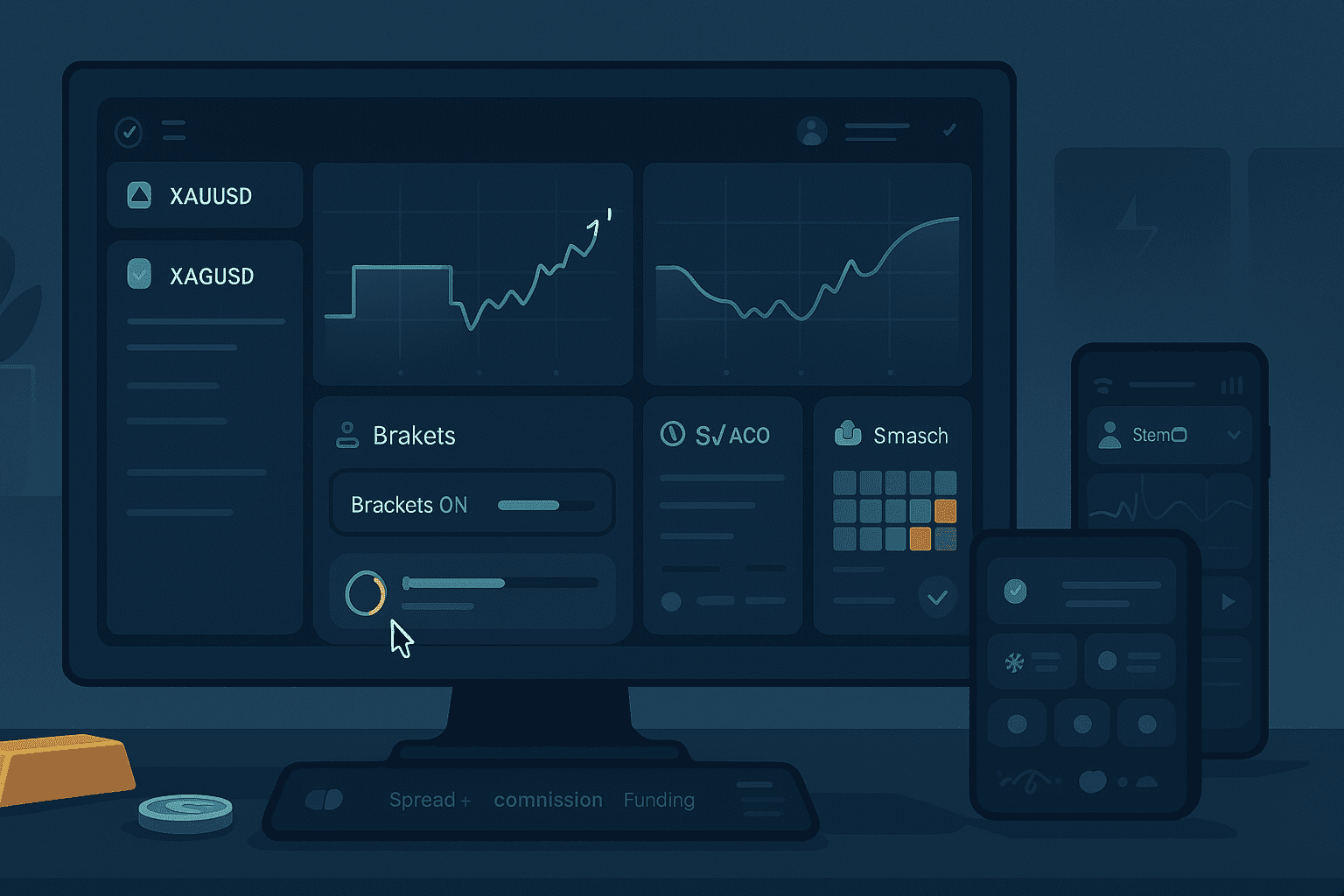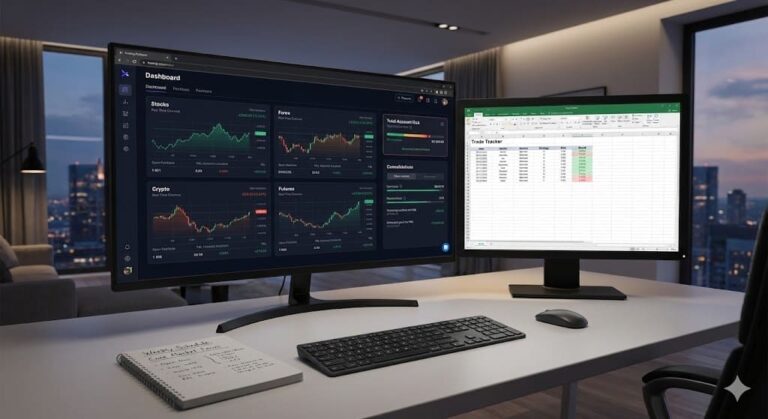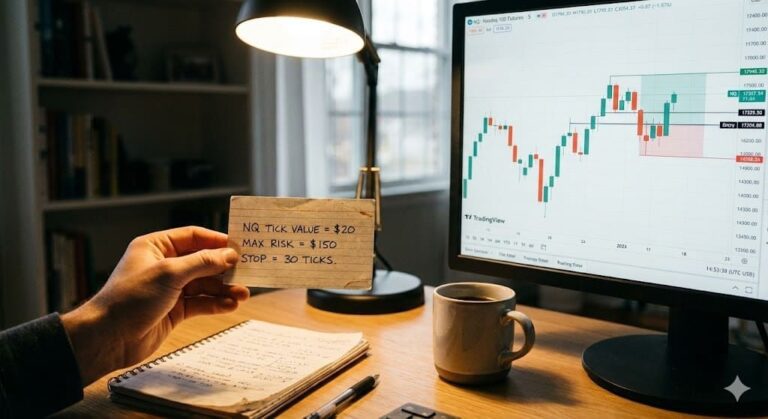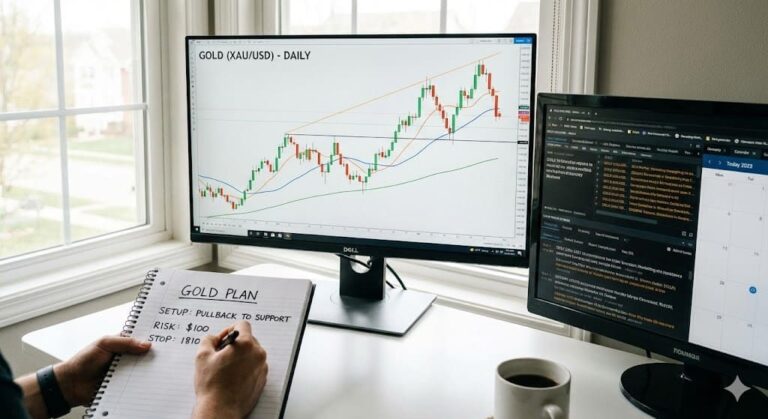

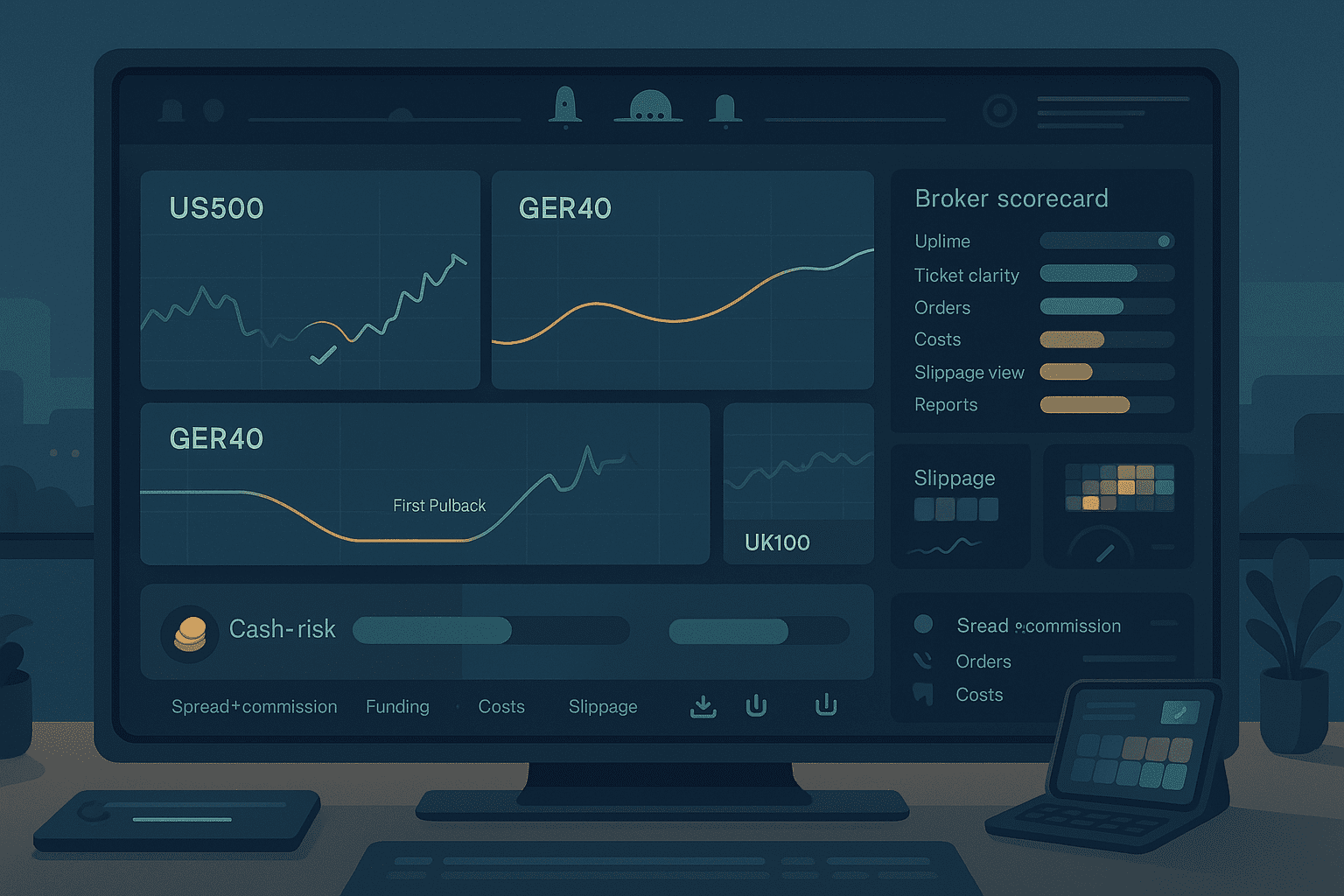
You do not need a maze of terminals to make index CFD trading work. You need one routine that travels from the S&P 500 to the DAX to other majors while your ticket keeps the same language.
If you want to trade international indices online calmly, you need a clear plan. Focus on cash-based sizing, simple setups, and a broker you can trust. This page offers a useful guide and a quick scorecard to help you choose the best broker for the S&P 500 and DAX.
“If you can explain the risk in one sentence, the trade is ready.”
Lanes, windows, and what drives them
Pick two windows you can repeat. Consistency lives there.
| Index lane | Typical windows* | Main drivers | Personality |
| S&P 500 (US500) | First and last cash hour | Earnings, breadth, flows | Box break then retest, momentum runs |
| DAX (GER40) | Frankfurt and early London | Eurozone data, German heavyweights | Clean bursts with pullbacks |
| FTSE (UK100) | London morning to midday | UK earnings, sector tilt, GBP tone | Gradual trends, mean reversion pockets |
| Nikkei, others | Local opens | FX and local macro | Opening drive, then rhythm |
*Choose slices you can repeat, not the whole day.
“Trade your window, not the whole day.”
Ticket math in plain cash
Let the platform do arithmetic. You set a fixed dollar risk per trade and let size follow.
US500 CFD example
- Risk unit: 40 dollars
- Planned stop: 2.0 index points
- Contract value example: 1.0 point equals 1.0 dollar per contract
- Risk per contract: 2 dollars
- Position size: 40 ÷ 2 equals 20 contracts
GER40 CFD example
- Risk unit: 45 dollars
- Planned stop: 10.0 index points
- Contract value example: 1.0 point equals 0.5 dollars per contract
- Risk per contract: 5 dollars
- Position size: 45 ÷ 5 equals 9 contracts
“You cannot control the market. You can always control position size.”
Three setups that travel across indices
Keep definitions short so they hold when price speeds up.
Range break and retest
Box the first minutes. After a decisive close outside the box, enter on the clean retest with a bracket order already attached. Works well on S&P 500 and DAX during your opening window.
Pullback into value
Confirm direction on a higher timeframe, mark a value zone or VWAP band, take the first pullback that pauses. Great for mid session continuation moves.
Quiet session fade
When pace drops, fade stretched moves back toward value with small size and firm stops. Tight targets protect the month when volatility dips.
“If the entry needs a paragraph to justify it, it is not ready.”
Costs that quietly decide outcomes
Treat costs like ingredients. Measure them for twenty sessions and better habits follow.
| Cost line | Where it bites | Practical move |
| Spread plus commission | Every fill | Focus on liquid minutes and avoid chasing breaks |
| Slippage | Opens and data minutes | Prefer retests, use limits when speed tempts you |
| Funding or swaps | Overnight CFD holds | Shorten duration or switch to exchange micros for carries |
| Data and tools | Extras you rarely use | Keep only what changes outcomes |
“Cost clarity turns uncertainty into a trade you can choose.”
Trade global indices online with a simple routine
Before your window
- Mark yesterday’s high and low plus overnight extremes
- Note two catalysts in local time
- Write your cash risk per trade on a sticky note
During
- Two attempts per idea, then stand down
- Always place brackets with the entry
- Screenshot before and after, write one line reason in and one line reason out
After
- Tag each trade by setup and session
- Log spread, commission, and any slippage
- Close the platform on time
Consistency beats intensity.
Platform traits that make many indices feel like one room
A good venue is predictable rather than flashy.
- Cash risk preview on every order ticket
- Brackets and OCO by default so exits are automatic
- Symbol specs in cash for point value, hours, and funding rules
- Delay and slippage widgets by index and session
- Exportable logs and, ideally, an API to rebuild statements
Status page with incident timestamps and reverts
When these feel normal, your platform fades and your process shines.
Fast scorecard: best broker for sp500 and dax
Rate each candidate from 1 to 5. Let evidence win.
| Category | 1 | 3 | 5 |
| Uptime and status | Silent during stress | Occasional notices | Public history with timestamps and reverts |
| Ticket clarity | Percent buried in a tab | Cash view available | Cash risk visible on the ticket |
| Orders | Market and basic stop | Brackets offered | Brackets standard, OCO supported |
| Cost lines | Bundled, vague | Partial breakdown | Itemized spread, commission, funding with examples |
| Slippage view | None | Averages only | By index and session with export |
| Reports | PDFs only | CSV download | API or webhooks that match statements |
| Support tone | Canned replies | Named contact | Fast, example driven answers with timing targets |
When the last column becomes your everyday, you likely found a partner to keep.
Two realistic mixes with numbers
US first, EU second
- Windows: first 45 minutes of US cash for S&P 500, early Frankfurt for DAX on your earlier days
- Risk: 40 dollars per US500 trade, 45 dollars per GER40 trade
- Plan: box break to retest on S&P, pullback into value on DAX
- Why it works: distinct rhythms, one ticket logic
London tilt with FTSE as anchor
- Windows: London morning for FTSE, short US overlap for S&P confirmation
- Risk: 35 to 45 dollars per trade
- Plan: quiet fade on FTSE when pace drops, range break and retest on S&P if the board lines up
- Why it works: avoids overlap while keeping your rules identical
Common mistakes and clean fixes
| Mistake | Why it hurts | Clean fix |
| Chasing the first spike at the bell | Poor fills and regret | Wait for a retest or first pullback |
| Sizing from memory | Inconsistent risk | Use cash preview and a fixed risk unit |
| Trading every time zone | Decision fatigue | Choose two windows and protect them |
| Ignoring funding costs | Slow erosion | Match hold time to wrapper, log funding for a month |
| Believing landing page spreads | False confidence | Screenshot quotes in your hours and compare monthly |
“Progress is a series of small, boring upgrades.”
Picture a Tuesday. The US bell rings and US500 breaks its box. You let it retest, size by cash, and the bracket attaches. Twenty minutes later, GER40 offers a clean pullback into value on your second window. Same ticket, same math, smaller size. That evening your statement lists spread, commission, and any funding exactly as expected. No creative labels. No guesswork. That is index CFD trading doing the job you hired it to do.
FAQ
Is index CFD trading suitable for small accounts
Yes, when you keep risk in cash and use flexible sizing. Start small, then scale only after your routine behaves in your real windows.
Can I trade global indices online from one login
Yes if the platform shows cash risk on the ticket, supports bracket orders by default, and exports logs that rebuild statements exactly.
Do I need depth of market for these setups
Only if your method relies on it. Many index CFD routines work with clean charts, value zones, and brackets. Buy tools that change outcomes, not decoration.
How do I avoid oversizing during volatility
Fix a dollar risk per trade, allow two attempts per idea, then stand down. Prefer retests over chases and reduce size when spreads widen.
Will overnight funding ruin swing trades
It can if you ignore it. Track funding lines for a month. If carries do not pay their keep, shorten duration or switch to exchange micros for longer holds.