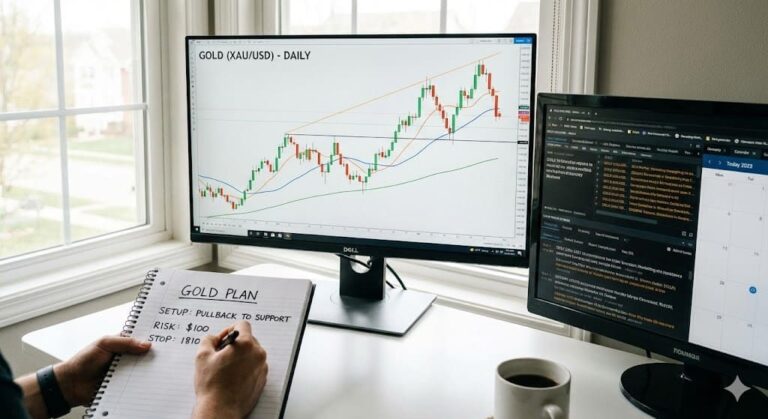

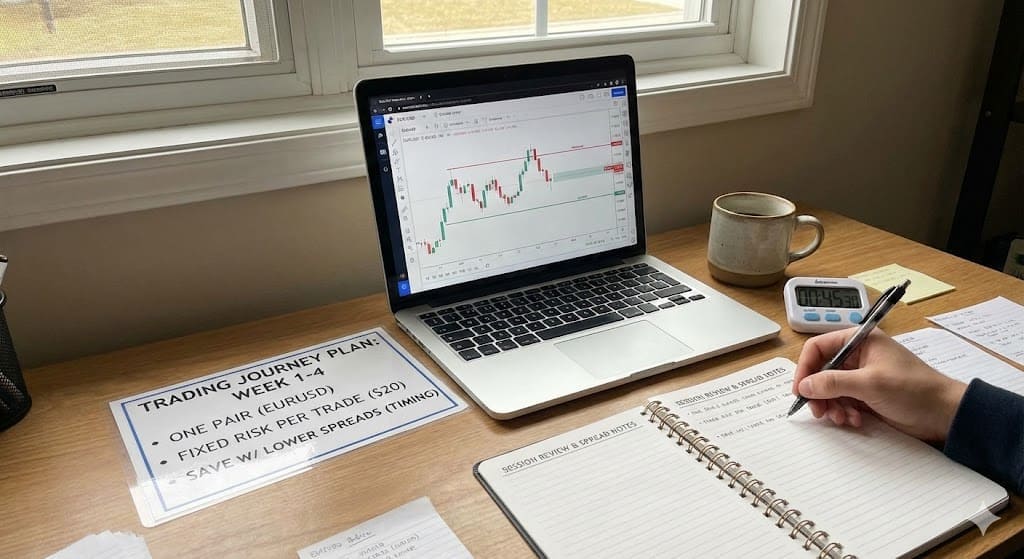
Forex attracts people for a simple reason: it feels accessible. You can open a chart, place a trade, and see movement fast. The part that surprises most beginners is that “easy to start” is not the same as “easy to do well.” If you want to start investing in forex in a way that doesn’t turn into expensive guessing, you need a routine that protects you from the two things that hit first: sloppy execution and inconsistent risk.
This article keeps it casual and practical: the early steps that matter, the habits that help you save with lower spreads without obsessing over tiny details, and a straightforward plan for your trading journey from demo to a small live account.
“In the beginning, the goal is clean repetition, not heroic wins.”
Forex as a skill that improves with structure
A lot of people treat forex like a puzzle that has one hidden answer. In reality, it’s closer to a sport. You can learn the rules quickly, but consistency comes from drills, feedback, and playing within limits.
Early progress usually looks like this:
- Fewer “oops” mistakes (wrong size, missing stop, wrong order type)
- Fewer impulsive entries (chasing candles, trading out of boredom)
- Smaller worst days (losses that match your planned risk)
- Clearer decision-making (you can explain a trade in one sentence)
If those pieces improve, results often follow later. If those pieces stay messy, most strategy changes won’t help much.
A simple setup for your demo account that feels real
A demo account can be useful or it can create bad habits. The difference is whether you treat it like practice or like a game.
Demo settings that make learning faster
Use realistic parameters from day one:
- Account size: match what you plan to fund live (or close to it)
- Leverage assumptions: keep it conservative so sizing stays honest
- Markets: start with one or two major FX pairs
- Trading window: choose hours you can consistently show up for
The “non-negotiables” in demo
If you want your demo practice to translate:
- Place a stop loss immediately on every trade
- Risk a fixed amount per trade (not “whatever feels right”)
- Write a one-line reason before entering
- Log the trade after it closes
“Demo is for proving you can follow rules with zero excuses.”
Save with lower spreads without becoming spread-obsessed
Spreads matter because they are a cost you pay repeatedly. If you trade often, spreads can quietly eat into performance. That said, chasing the absolute lowest spread can backfire if execution quality is poor.
The practical meaning of “save with lower spreads”
You save in two main ways:
- choosing instruments that tend to have tighter spreads
- trading during liquid hours when spreads behave better
Both are simple. Both help more than people expect.
Pair selection that keeps costs reasonable
Most beginners do better starting with major pairs because liquidity is typically stronger.
| Pair type | Typical spread behavior | Beginner friendliness | Notes |
| Major pairs | Often tighter and steadier | High | Good starting point for practice |
| Minor pairs | Can widen more in quiet hours | Medium | Costs vary by session |
| Exotics | Often wide and jumpy | Low | Higher friction, more surprises |
Timing filters that reduce spread pain
Spreads often widen during:
- Low-liquidity hours for that pair
- Major economic releases
- Sudden headline moves
- Session transitions and market opens
A beginner-friendly rule is to avoid trading the first few minutes around high-impact news until you can manage volatility calmly.
“Lower costs come more from better timing than from chasing marketing numbers.”
The risk rules that keep your trading journey intact
If you want to start investing in forex with less emotional whiplash, risk needs to be decided before entries, not after.
Three rules that cover most beginner problems
- Fixed risk per trade
Pick a small, consistent amount. Many traders think in 0.5% to 1% of account per trade, but the exact number matters less than consistency. - Daily max loss
Stop trading after a defined loss limit (often 2R to 3R). This prevents one bad session from turning into a week-long problem. - Trade limit per session
A cap like 2 to 5 trades keeps you from spiraling into “just one more.”
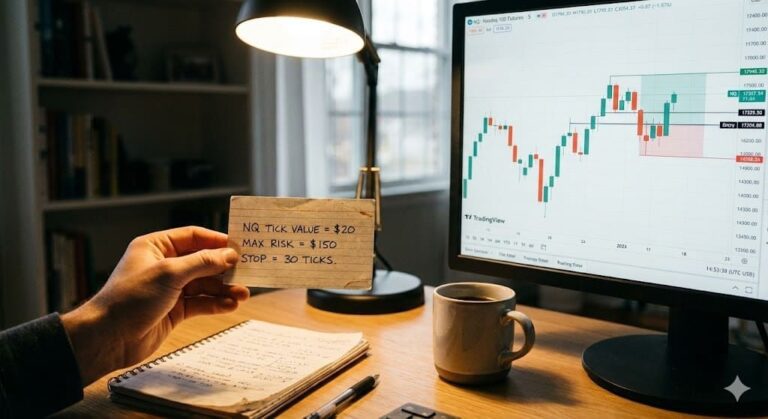
Here is a quick template you can write and stick on your desk:
| Rule | Example | Purpose |
| Risk per trade | $20 (fixed) | Keeps mistakes affordable |
| Daily max loss | $60 (3 trades lost) | Stops revenge trading |
| Trades per session | Max 3 | Reduces impulsive clicking |
“Risk control is less about intelligence and more about routine.”
Position sizing example that removes the guessing
Position sizing is where many beginners accidentally blow up their learning. Here is a simple example with clean math.
Assumptions (example only):
- Pair: EURUSD
- Account currency: USD
- Stop loss: 25 pips
- Risk per trade: $50
- Approx pip value: $10 per pip for 1.0 standard lot (varies by pair/account)
Step-by-step:
- If you risk $50 with a 25-pip stop, you can risk $2 per pip ($50 ÷ 25).
- If 1.0 lot is about $10 per pip, then $2 per pip is 0.20 lots.
That is the whole idea: you choose risk first, then size the trade to fit the stop.
| Stop (pips) | Risk | Risk per pip | Approx lot size (EURUSD) |
| 15 | $50 | $3.33 | 0.33 lots |
| 25 | $50 | $2.00 | 0.20 lots |
| 40 | $50 | $1.25 | 0.12 lots |
If this feels tedious now, that’s normal. With repetition, it becomes automatic, which is exactly what you want under pressure.
One simple setup to practice before you add complexity
Most traders slow themselves down by trying to learn five strategies at once. Pick one setup that is easy to define and easy to review.
Setup option: breakout and retest (clean and teachable)
This is popular because it reduces chasing.
Basic rules:
- Mark a clear range with multiple touches
- Wait for price to break out of the range
- Wait for a retest that holds the breakout area
- Enter on confirmation (for example, a reclaim candle or structure break)
- Stop goes beyond the retest swing point
- Target can be based on nearby support/resistance or a fixed R multiple
A helpful habit: write the trade thesis in one sentence:
- “If price holds above the breakout level, I expect continuation; invalidation is below the retest low.”
“If you can’t state invalidation clearly, you’re not planning, you’re hoping.”
A 30-day plan for your trading journey
Here is a realistic plan that keeps your learning focused and measurable.
Week 1: mechanics and discipline
Goals:
- Place market, limit, and stop orders correctly
- Practice placing stops instantly
- Set your fixed risk and daily max loss
- Log at least 10 practice trades with screenshots
Week 2: one pair, one setup, one window
Goals:
- Trade only one major pair
- Trade only one setup type
- Trade only during your chosen window
- Keep risk fixed and small
Week 3: cost and timing awareness
Goals:
- Track when spreads widen in your window
- Note which minutes feel choppy or unreliable
- Avoid obvious “bad minutes” (news spikes, thin hours)
Week 4: review and refine one variable
Goals:
- Identify your top 2 recurring mistakes
- Change one thing only (entry trigger, trade limit, or time window)
- Repeat the same setup and measure improvement
A simple tracking sheet helps:
| Week | Focus | Metric to watch | Target outcome |
| 1 | Platform + stops | Stop placed on every trade | Zero “no stop” trades |
| 2 | Consistency | Same setup only | Fewer impulsive entries |
| 3 | Costs | Spread notes by time | Better timing choices |
| 4 | Improvement | Rule grade A/B/C | More A trades week over week |
Common mistakes that stall beginners
Chasing fast candles
If you enter because the price is moving and you feel late, that is usually a sign to wait. A planned entry almost always feels calmer than a chased entry.
Moving stops to avoid being wrong
This is usually a sizing problem. If the loss feels too painful, reduce size so you can respect the stop.
Trading during every headline
News can be traded, but it is not beginner-friendly. Build fundamentals first, then add volatility later.
Over-focusing on spread screenshots
Yes, you want to save with lower spreads, but not at the cost of unreliable fills. “Cheap” can become expensive if execution is poor.
“The market will always offer another trade. Your account might not.”
Platform habits that make execution easier
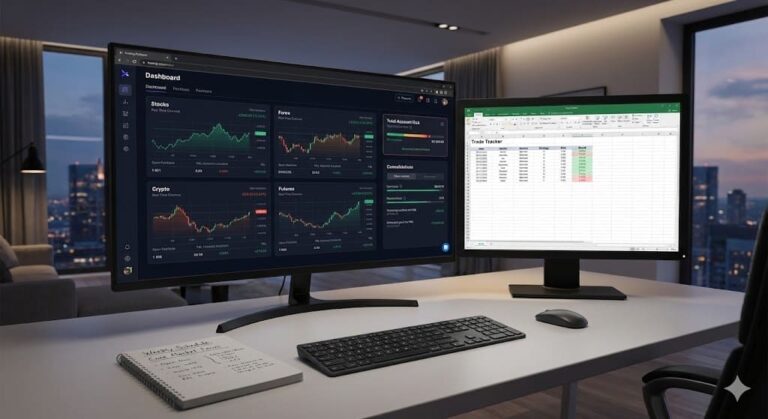
You don’t need a fancy setup to start, but a few platform habits reduce mistakes:
- Use bracket orders when possible (entry + stop + target)
- Set alerts at levels instead of staring at every tick
- Save chart templates so you stop reconfiguring daily
- Keep one clean watchlist, not ten
These small choices reduce fatigue, and fatigue is a quiet driver of bad decisions.
Next step before the FAQ
If you’re ready to start investing in forex, keep it simple for the next 30 days: pick one major pair, trade one repeatable setup, and lock in fixed risk rules so your trading journey stays stable while you learn. Track spreads during your chosen window so you can save with lower spreads through smarter timing, not constant platform hopping. If you share your time zone, the hours you can trade, and whether you prefer fast or slower decisions, I can help you shape a one-page plan with a setup checklist, position-sizing shortcuts, and a weekly review routine you can actually stick with.
FAQ
Is “start investing in forex” the right mindset for beginners?
For many retail traders, forex behaves more like active trading than long-term investing because leverage and shorter holding periods are common. A process-first mindset works best either way.
Ways to save with lower spreads as a beginner
Start with major pairs, trade during liquid hours for that pair, avoid thin sessions, and be cautious around major news until you’re comfortable with volatility.
How long should demo practice last before going live?
Stay in demo until you consistently place stops, size positions correctly, and follow a daily max loss rule across at least 20 trading sessions. Then transition to very small live sizing.
Which setup is best for early learning?
A simple, reviewable setup like breakout and retest or trend pullback tends to work well because invalidation is clear and journaling is easier.
Biggest mistake in early forex trading
Oversizing. It turns normal losses into emotional events and breaks discipline. Fixed risk per trade is the simplest antidote.
What should I measure during your trading journey?
Track rule-following rate, average loss versus planned loss, and results in R (risk units). Those metrics reveal progress earlier than raw profit.