

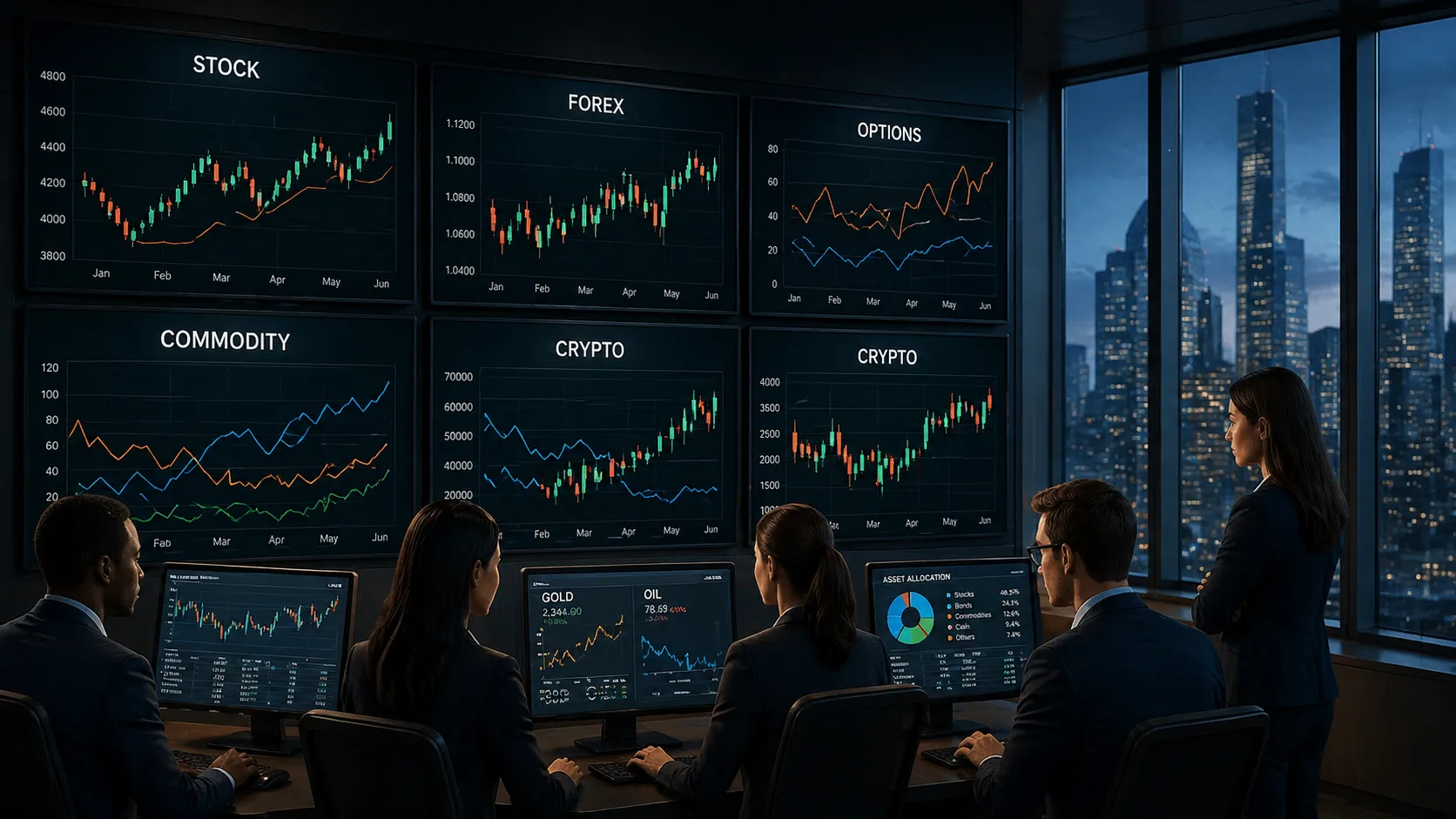
In today’s dynamic financial environment, trading markets play a pivotal role in shaping the global economy. Whether you’re a novice investor or a seasoned trader, understanding how trading markets work can significantly impact your financial success.
In this guide, we’ll explore the ins and outs of trading markets, covering key definitions, types of markets, trading strategies, and expert tips for navigating the complexities of financial trading. Our goal is to provide an engaging, easy-to-understand resource for anyone looking to master the world of trading markets.
What Are Trading Markets?
Trading markets are platforms or environments where financial instruments like stocks, bonds, commodities, and currencies are bought and sold. These markets provide liquidity, transparency, and efficiency for investors and institutions.
There are two primary types of trading markets:
- Primary Market: Where new securities are issued and sold for the first time.
- Secondary Market: Where investors buy and sell securities they already own (e.g., the New York Stock Exchange).
Key Functions:
- Price Discovery: Determines the fair market value of assets.
- Liquidity Provision: Ensures assets can be quickly converted into cash.
- Capital Formation: Helps companies raise funds for growth.
Alt tag: Stock market trading chart showing financial data trends
Types of Trading Markets
Understanding the different types is crucial for developing effective investment strategies.
1. Stock Markets
These are markets where shares of publicly listed companies are traded. Major stock markets include:
- NYSE (New York Stock Exchange)
- NASDAQ
- London Stock Exchange
2. Forex Markets
The foreign exchange (forex) market is the largest in the world, where currencies are traded in pairs (e.g., EUR/USD).
3. Commodity Markets
Here, physical goods like gold, oil, and agricultural products are traded. Notable commodity exchanges include:
- Chicago Mercantile Exchange (CME)
- London Metal Exchange (LME)
4. Cryptocurrency Markets
A relatively new market for trading digital assets like Bitcoin, Ethereum, and altcoins. These markets operate 24/7 and are highly volatile.
5. Derivatives Markets
These involve contracts like options and futures that derive their value from underlying assets.
For a deeper look at market types, see Investopedia’s financial markets guide.
How Trading Markets Work
Operate via organized exchanges or over-the-counter (OTC) systems. Let’s break down how trading typically occurs:
1. Market Participants
- Retail Investors: Individual traders investing their own money.
- Institutional Investors: Entities like mutual funds, hedge funds, and pension funds.
- Market Makers: Firms that provide liquidity by buying and selling assets.
2. Trading Mechanisms
Most modern markets use electronic trading systems that match buyers and sellers instantly. Orders can be:
- Market Orders: Buy/sell at the best available price.
- Limit Orders: Buy/sell at a specific price.
- Stop Orders: Trigger a buy/sell when a certain price is reached.
Alt tag: Online trading platform with financial charts on screen
Trading Strategies for Success
A well-defined strategy can significantly improve your chances of success in trading markets. Here are some widely-used approaches:
1. Day Trading
Buying and selling assets within the same day. This strategy requires quick decisions and constant market monitoring.
2. Swing Trading
Holding positions for days or weeks to capitalize on price trends and reversals.
3. Scalping
A high-frequency strategy where traders profit from small price movements.
4. Long-Term Investing
Focused on the fundamentals of an asset and holding it for years.
5. Algorithmic Trading
Using pre-programmed software to execute trades at high speed and volume.
Pro Tip: Always back-test your trading strategy using historical data before applying it with real capital.
Risks and Rewards in Trading Markets
Potential Rewards:
- Profit from market movements
- Portfolio diversification
- Access to global markets
Common Risks:
- Market volatility
- Leverage-related losses
- Lack of regulation in certain markets (e.g., crypto)
Risk management is critical. Set stop-loss orders and never invest more than you can afford to lose.
Tools and Platforms for Traders
Choosing the right trading platform is essential. Key features to look for:
- Real-time data feeds
- Low fees and commissions
- Mobile and desktop access
- Integrated charting tools
Popular platforms include:
- MetaTrader 4/5
- TradingView
- eToro
- Thinkorswim (TD Ameritrade)
Regulatory Bodies and Market Oversight
To ensure fair and ethical practices, various regulatory authorities oversee trading markets:
- SEC (U.S. Securities and Exchange Commission) – Oversees securities markets in the U.S.
- CFTC (Commodity Futures Trading Commission) – Regulates derivatives.
- FCA (Financial Conduct Authority) – Regulates financial markets in the UK.
For compliance tips, visit the SEC website.
Final Thoughts: Navigating Trading Markets Wisely
Trading markets offer vast opportunities, but they also come with risks. Whether you’re trading stocks, forex, or crypto, staying informed, managing risk, and developing a sound strategy are the keys to success.
Here are some FAQs
What are trading markets?
Trading markets are platforms where financial instruments like stocks, currencies, commodities, and bonds are bought and sold. They connect buyers and sellers, enabling price discovery and liquidity in global finance.
What types of assets can be traded in financial markets?
Traders can access a wide range of assets, including equities, forex, commodities, indices, and sometimes cryptocurrencies. Each asset class offers different risk levels, volatility, and trading opportunities.
How do trading markets work?
Trading markets operate through exchanges or over-the-counter systems where participants place buy and sell orders. Prices fluctuate based on supply and demand, influenced by economic data, news, and market sentiment.
Why are trading markets important for the economy?
They help allocate capital efficiently, provide liquidity, and enable businesses to raise funds. At the same time, they give investors opportunities to grow wealth and manage risk through diversification.
What risks should traders consider when entering trading markets?
Trading involves risks such as market volatility, leverage exposure, and unexpected price movements. Proper risk management, education, and strategy are essential to navigate these challenges effectively.